
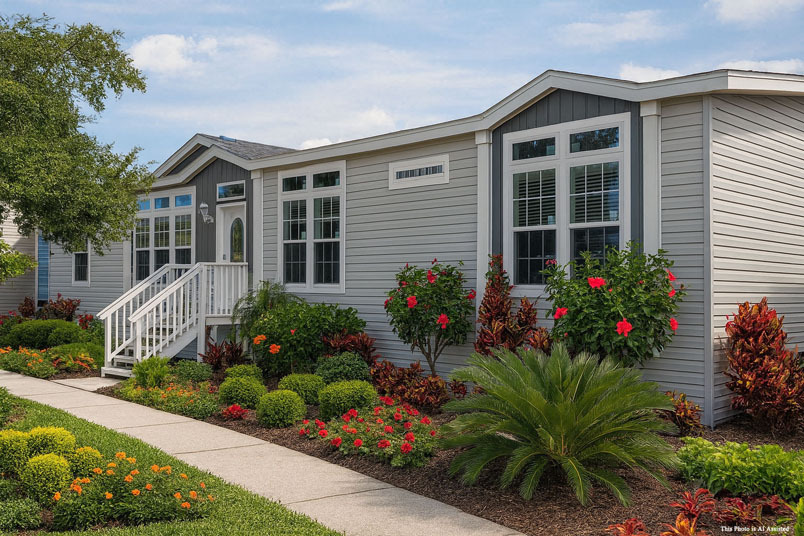
Buying a modular home for the first time is a big step, but it doesn’t have to be complicated. Focus on the decisions that matter most, in the right order: what you can comfortably afford each month, where the home will be located, how it will be financed, and how to verify quality at delivery. This guide walks through the pros and cons of manufactured homes, explains how to finance a manufactured home, gives you a practical manufactured home inspection checklist, and covers manufactured home resale value. Then we’ll show how Jacobsen helps first-time buyers move from research to keys-in-hand with less guesswork.
Pros and Cons of Manufactured Homes for First-Time Buyers
Getting a clear picture early helps you shop with confidence.
Pros
- Lower Cost Compared to Site-Built Homes: Typically the square-foot price of a manufactured home is less than that of a site-built home.
- Improved Quality & Regulations: Modern manufactured homes must meet the strict HUD Code, meaning: Strict durability standards, better insulation and energy efficiency.
- Lower Maintenance Costs: Factory built homes tend to have fewer structural issues due to the controlled building environments. Most manufactured homes have vinyl lap siding exteriors, thus avoiding costly repainting over the years.
- Consistent quality: Materials are stored indoors, weather delays are minimized, and a reliable build process means quality you can count on.
- Personalization: Floor plans, cabinetry, counters, flooring, lighting. Most items can be tailored so the home fits your routine from day one.
- Faster timelines: Because manufactured homes are built in a factory, construction is not affected by weather delays. Move-in times can be weeks if not months ahead of a site-built home.
Cons
- Limited Locations: Some cities or neighborhoods have zoning restrictions that limit where a manufactured home can be placed. When you have located property, check to make sure that zoning allows for either a manufactured home or a modular home.
- Financing choices: A modular home on private property can be financed just like a site-built home. A manufactured home on private property can be financed as a land/home package. If you elect to live in a community where you lease the land, you will need a chattel loan.
How to Finance a Manufactured Home: A Clear Path
Your financing path depends on two early choices: where the home will be located and how it’s installed.
- Decide on land vs community: Modular homes, normally located on private property, will usually qualify for conventional mortgages. Manufactured homes placed on leased land usually use chattel loans, which are common in many communities.
- Talk to a lender early: Ask about conventional, FHA/VA, and USDA Loans (for rural areas only). If you live in a community, chattel loans are an available option.
- Get pre-qualified: This makes shopping easier and prevents backtracking later.
Jacobsen’s financing guides walk through mortgage vs chattel loans, FHA options, and next steps. Start with 7 Manufactured Home Financing Options and What to Know When Financing a Manufactured Home.
A Practical Manufactured Home Inspection Checklist
New homes are built to modern standards, yet a simple checklist creates peace of mind. Think in three moments:
Before you order your home
Before your home is ordered, the dealer will need to obtain building permits. Confirm that your order matches your expectations, including options, finishes, and the exact placement of the home on the lot.
Before you move in
After your Jacobsen home has been built and set-up on your property, and before you move in, the dealer will do a walk-through inspection of the home and report findings to the manufacturer. The dealer/installer will check to make sure the tie downs, blocking and foundation are per code. They will also inspect that bottom board is sealed around electrical, plumbing, dryer vent hook-ups and the marriage line are all sealed properly.
After move-in
When you close on your new Jacobsen home, you will be given a warranty package that contains all the warranty paperwork. Be sure to fill out your warranty cards and return to Jacobsen Homes. After you have lived in your new home for 30 days fill out the 30-day inspection form and send to Jacobsen Homes. After 90 days, take a walk around your home to see if there are any cracks in your drywall from settling. Fill out the 90-day Drywall/Ceiling Inspection check-out form and send to Jacobsen Homes.
If you want to learn more about Jacobsen’s building approach, our How Our Homes Are Made and Building Process pages to understand the assemblies behind the finishes.
What Shapes Manufactured Home Resale Value
Many factors shape the resale value of a manufactured home. Here is a break down:
- Market Conditions: As with all housing, interest rates and local housing supply and demand play a role on resale value.
- Permanent Foundation (Real Property): homes attached to a permanent foundation and legally classified as Real property, generally hold their value better.
- Land Ownership: Home and land together tends to appreciate more.
- Age and condition: Manufactured homes built after June 15th, 1976 meet HUD standards. Newer homes especially post-2000) typically resell for more.
- Condition: Major factors can contribute to market value, such as the age of the roof and HVAC system. The same goes with site-built homes. Well-maintained homes hold value far better.
- Condition and curb appeal: First impressions are important. Make sure the exterior of your homes is appealing with clean skirting and landscaping.
- Size and Layout: Double-wide and triple-wide homes tend to have a better resale value over single-wide homes. Open floorplans with modern kitchens and bathrooms add value to the home.
For value-minded upgrades, browse Jacobsen’s Home Ownership Guides for care routines and practical improvements that pay off over time.
Why First-Time Buyers Choose Jacobsen
Jacobsen Homes start with the part you don’t see every day, the structure. Homes are drafted by the in-house engineering department using Auto-CAD, which supports accurate layouts and cleaner fit and finish once the sections come together.
Design decisions are just as clear. Instead of piecing options together one by one, you can choose coordinated cabinets, counters, flooring, fixtures, and lighting that were meant to work together. The Features & Upgrades hub and Design Inspiration page make it easy to build a cohesive palette, whether you prefer warm, traditional finishes or a lighter, modern look. Materials and methods are selected with Florida living in mind, which helps with everyday comfort and long-term durability.
Compare layouts in the floor plan library, then explore spaces in the video gallery or at a local model center. Getting into real rooms—checking storage, sightlines, and natural light—makes choices faster and more confident.
Contact Jacobsen Homes: Start Your Manufactured Home Plan Today
Schedule a tour to see models and finishes in person, or contact Jacobsen to walk your plan step by step. First-time buyers get a Florida-ready home that’s easy to style, simple to care for, and built for daily life.